
15.08.2018
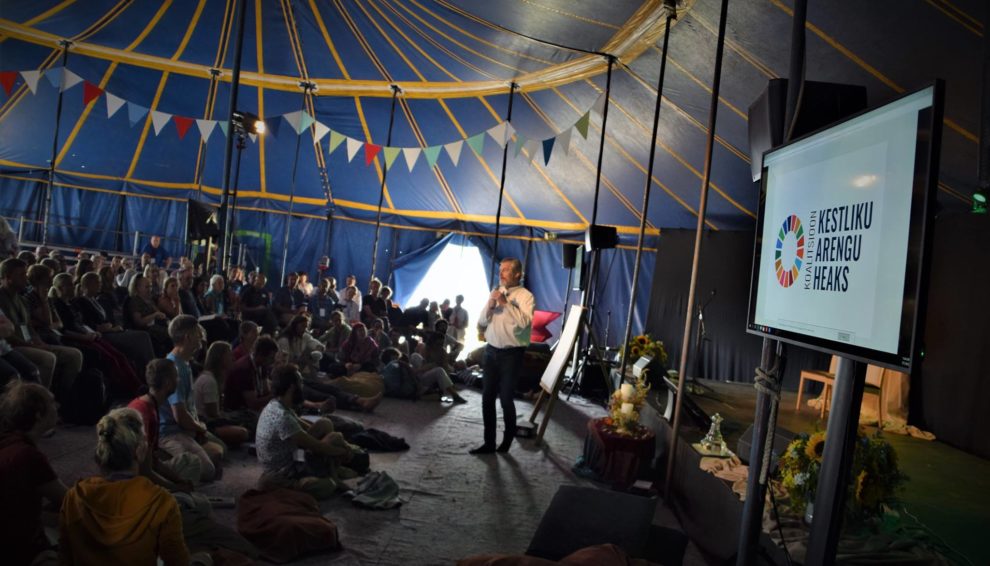
Lilleorus 11. juulil toimubud töötoa korraldasid koalitsiooni liikmed Sustinere, Arengukoostöö Ümarlaud ja Lilleoru MTÜ. Päeva moderaator oli ettevõtja Ville Jehe.
Seminari juhatas sisse rohemajanduse ekspert Gunter Pauli mõtetega Eesti kasutamata võimalustest. Pauli tõi välja kolm valdkonda, millele on potentsiaal Eestis olemas, kuid mida kasutatakse hetkel veel väga vähesel määral. Esiteks suured metsad, mis soodustavad pärmide teket ning oleks kasulik toiduainetööstusele. Hetkel ostetakse pärmi sisse suurtematelt korporatsioonidelt, kellel on antud valdkonnas mõningane monopol.
Teiseks ressursiks on vetikad, arvestades Eesti pikka rannajoont. Vetikate kaudu saab toota nii mõndagi, alustades toiduainetest, lõpetadest biogaasi ja bio-pakenditega.
Kolmandaks mainis Pauli internetti ja küsis, kui kaugele on Eestis 5G-ga jõutud. Hetke ärritab see tehniliselt kõiki inimese rakke, kuid uusimate arengute otsingul soovitas Pauli pöörata pilgu valgusele – seda nii valguskaablite kui taastuvenergia näol. Näiteks kasutatakse ühes Prantsusmaa linnas tänavavalgusteid nii valgustite kui ka WiFi ruuteritena, et võimalikult vähe energiat läheks raisku.
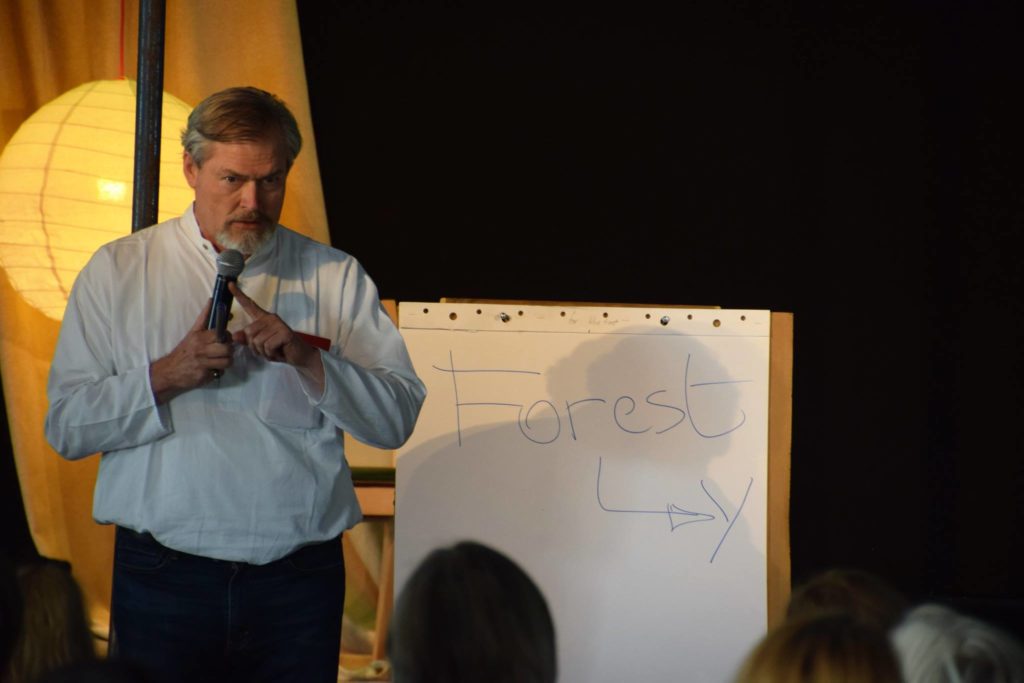
Foto: Marko Siller, Sustinere.
Gunter Pauli ettekandele järgnesid praktilisemad vestlusringid neljas väiksemas rühmas, kus jagati nägemusi kestlikust Eestist aastal 2035 ja otsiti võimalusi selleni jõudmiseks.
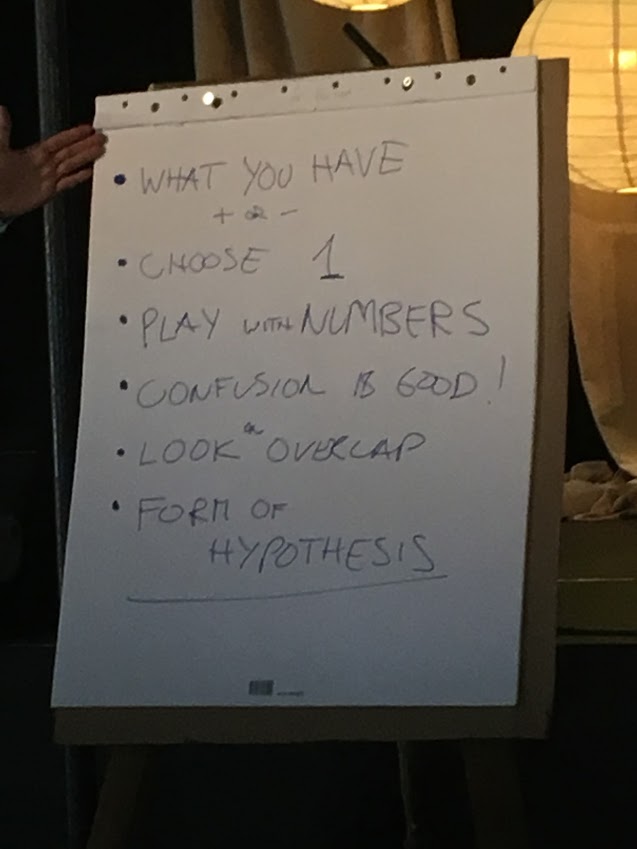
Foto: Marko Siller, Sustinere.
Vestlusringid toimusid (enamjaolt) inglise keeles, sidudes kohalike elanike arvamuse väliskülaliste nägemusega.
Group 1: „Every Estonian community will be using sustainable practices daily“
By year 2035, sustainable development has been integrated to the educational system and society. Estonian strengths – education and strong natural curiosity, can be considered as a natural resource. The integration of innovative ideas in different areas is necessary, so local level problems can find local solutions plus students can grow knowhow and practice their learned skills.
Negative side: why it’s not translating already to the society? Plans and curriculums exist, but not being implemented, lack of enforcement. Statistics: 15 counties, 500+ schools, 147 000 students aged 6-18 currently in education – so a huge playing field and opportunity to change mentality.
Aim would be to educate Estonia into sustainability. Build local networks – comprised of unis, schools, private sector, NGOs, local municipalities, also individuals. Funding should be done by state. Have goals and targets on a local level, because local networks have the expertise. Concrete examples can be using IT, robotics and coding for sustainable development.
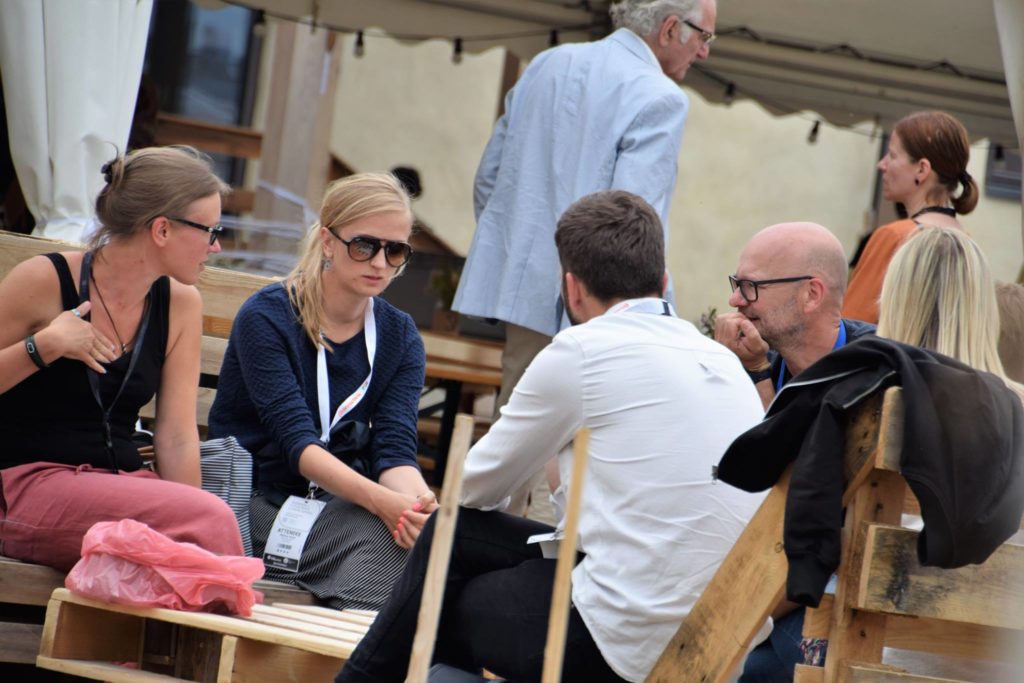
Rühm 1. Foto: Marko Siller, Sustinere.
Group 2: „Changing waste management system in Estonia“
Tech is already there, it is necessary to change mindset. Topic is organic waste, including leftovers from homes, restaurants. Quarter of the food is wasted in Estonia. Idea is to establish a small factory in every community, that produces gases for heating system and other products. There are existing biogas stations already in place in Tartu, which produces gas from organic waste. The system is expensive, but they have tech how to scale it down. In the same system we can use seaweed, straws, leaves, but also reach the bio-charcoal company. Saw dust is also used. These technologies can be suitable for smaller communities. NUTRILOOP is the start-up to consult on the matter. The perks include cutting the costs of transport of organic waste, cutting the costs of product you get and 5-6 products in one – heat, energy, gas, biochar, compost to name a few.
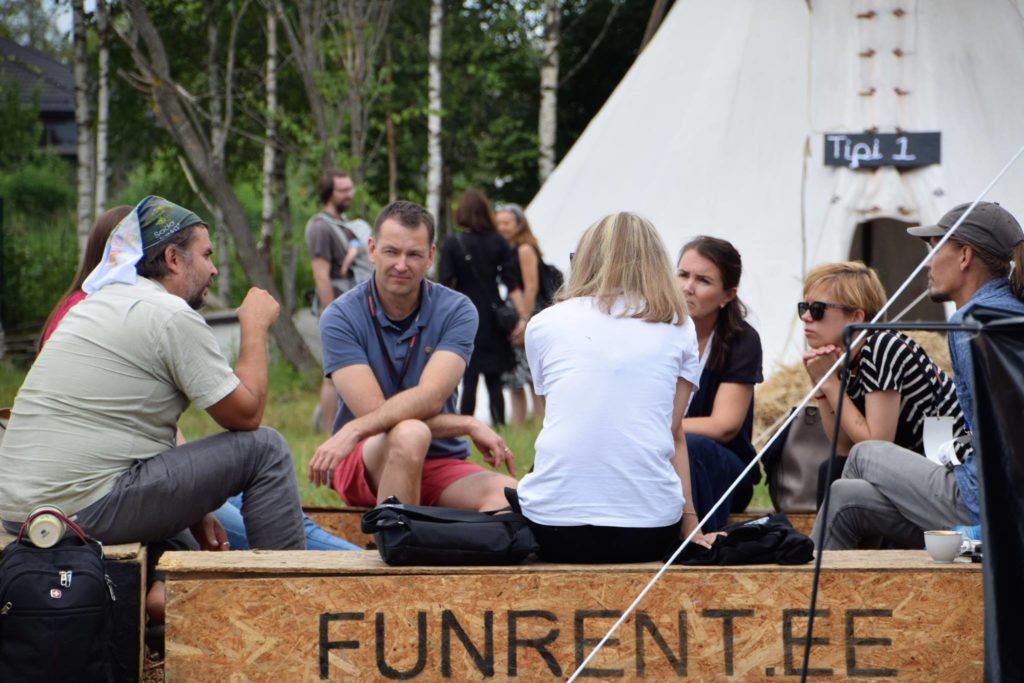
Rühm 2. Foto: Marko Siller, Sustinere.
Group 3: „Organic food cycle“
Today organic food consists of around 20% of schools food servings, by 2035 it should be 80%-95%. Organic material cycle can be reused, waste into compost, energy, etc. Start from kindergarten and pupils. It already takes place in some schools, but cost is expensive. We are paying, but not for quality. At the moment, Estonia takes in a lot of food from abroad. It should be very small scale. Local solutions for global challenges. Knowledge exists – old farmers knowledge, this knowledge can be exported. If possible take out energy like biogas. Organic fertilizers needed for this process.
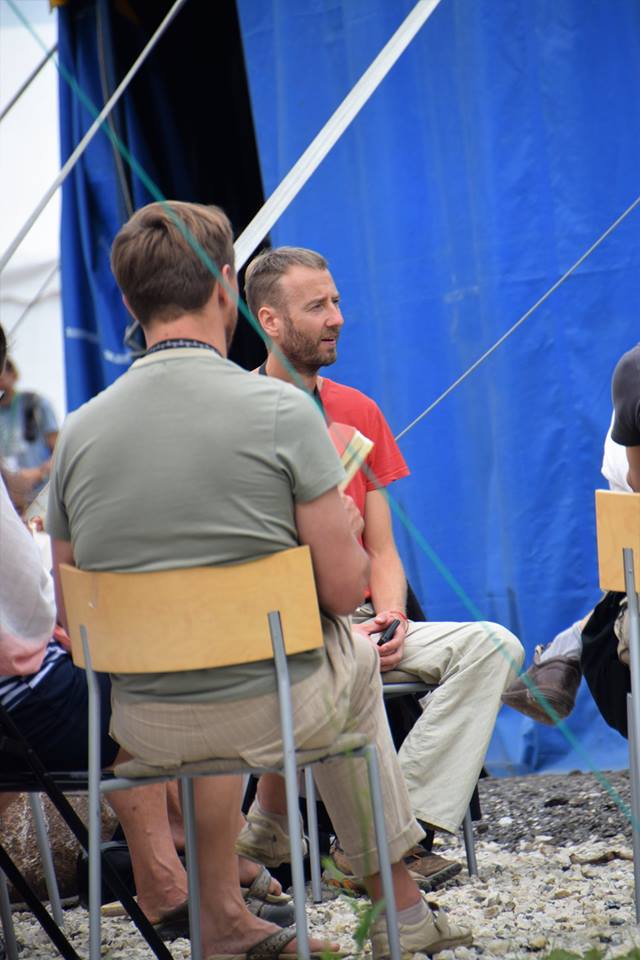
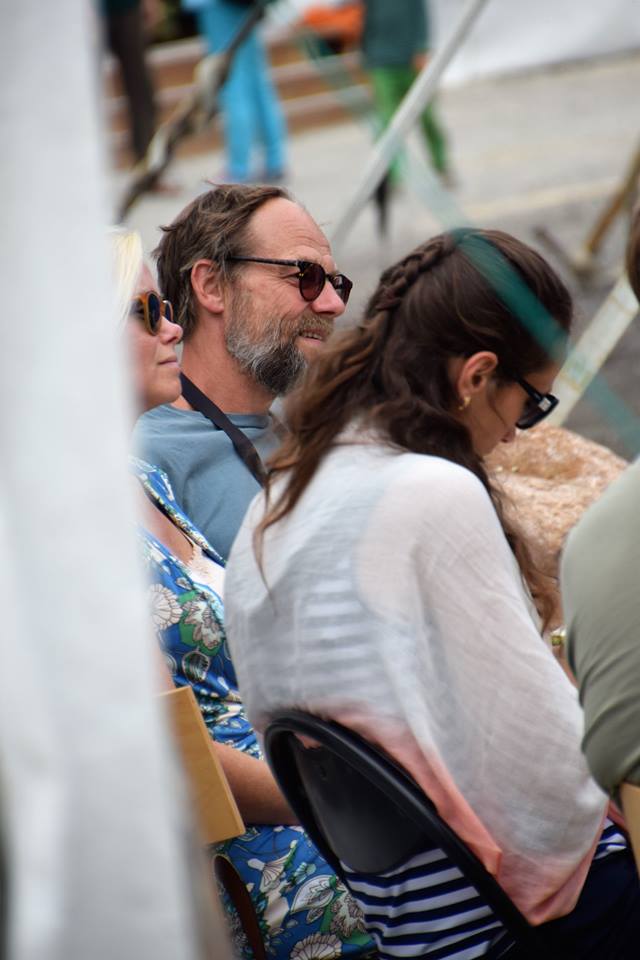
Rühm 3. Foto: Marko Siller, Sustinere.
Group 4: „Estonia – natural and digital harmony“
Development towards valuable working environment and selling the idea to the companies around the world. Potential slogan: send your employees to the creative and silent area. Send your people to work here to get better ideas and healthier employees. Wetlands, bogs, meadows promote better ideas and health. Already today, 70% Estonian GDP comes from services. Ecofriendly living and working environment for companies could be a hit for IT sector.
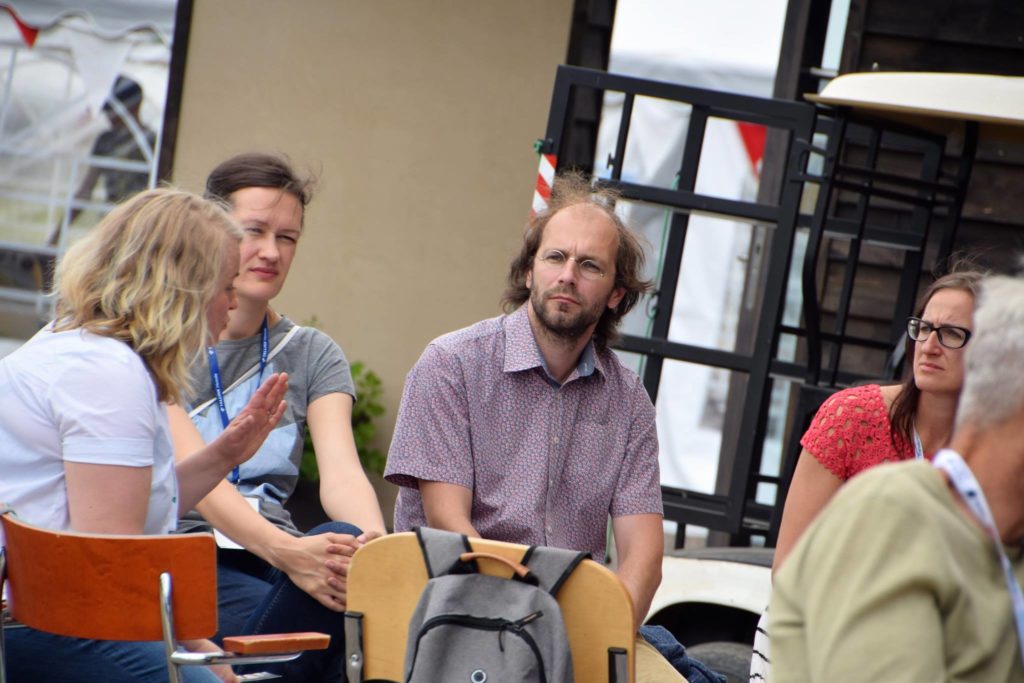
Rühm 4. Foto: Marko Siller, Sustinere.
Suur aitäh kõigile osalejatele! Töötoa ja selle jätkutegevuste suur eesmärk on aidata riigi- ja erasektoril kujundada koosmõjus kestlikumat Eesti ühiskonda. Ürituse tulemuste põhjal teeb koalitsioon ettepanekud Eesti 2035 strateegiasse, mille loomist veab Riigikantselei. Loodame ühiselt kujundada Eesti mõjukate äri- ja riigisektori tippjuhtide ja esindajate valmisolekut astuda ühiselt kestlikku arengut toetavate põhimõtete ja tegevuste taha.


Kommentaarid